

Wingshooting: Essential Techniques and Gear for Hunters
Wingshooting represents one of the most challenging and rewarding disciplines in the hunting world, demanding a unique combination of hand-eye coordination, timing, and firearm proficiency. Unlike stationary target shooting, this dynamic pursuit requires hunters to track and engage fast-moving birds in flight, often under unpredictable field conditions. Whether pursuing upland game birds like pheasant and quail or hunting ducks and geese over water, mastering wingshooting techniques separates successful hunters from those who consistently miss opportunities. The fundamentals of this discipline have remained consistent for generations, though modern equipment and training methods continue to refine the approach.
Understanding Wingshooting Fundamentals
The foundation of effective wingshooting begins with proper gun fit and mounting technique. A shotgun that fits correctly becomes an extension of the shooter's body, pointing naturally where the eyes focus without conscious alignment of sights. Most experienced wingshooters emphasize the critical relationship between gun mount, cheek weld, and eye dominance in achieving consistent results.
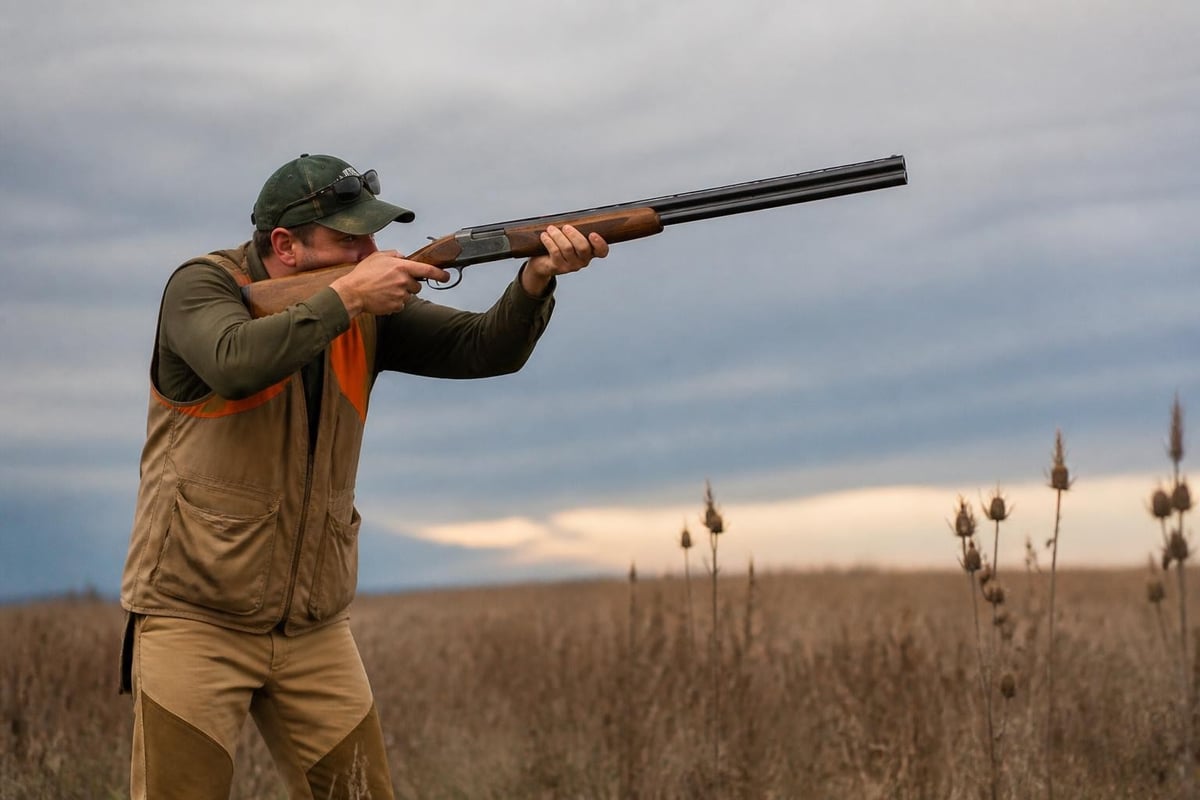
Gun fit involves several key measurements that affect shooting performance:
- Length of pull: Distance from trigger to end of stock, affecting reach and control
- Drop at comb: Height of the stock where your cheek rests, controlling sight picture
- Drop at heel: Influences recoil management and follow-through
- Cast: Lateral offset accommodating shooter's build and eye dominance
- Pitch: Angle of the buttstock affecting shoulder pocket placement
State wildlife agencies recognize the importance of proper technique education. The Iowa Department of Natural Resources offers wingshooting programs designed to improve shooting skills and reduce wounding loss among hunters. Similarly, the Wisconsin DNR provides wingshooting workshops that focus on technique refinement and responsible hunting practices.
Lead Calculation and Target Tracking
The most challenging aspect of wingshooting involves determining proper lead-the distance you must aim ahead of a moving bird to ensure shot and target intersect. Lead requirements vary based on bird speed, flight angle, and distance, making this calculation both art and science.
Three primary methods dominate wingshooting instruction. The swing-through technique involves starting behind the bird, accelerating through it, and firing while maintaining forward momentum. Pull-away shooting begins with the muzzle on the bird, then deliberately pulls ahead before triggering the shot. Maintained lead requires establishing the correct forward distance and holding it throughout the shot sequence. Gun Digest explains these three wingshooting methods in detail, helping shooters understand which approach suits their natural timing.
| Lead Method | Best For | Skill Level | Key Advantage |
|---|---|---|---|
| Swing-Through | Crossing shots, close birds | Beginner-Intermediate | Natural, instinctive movement |
| Pull-Away | Straight-away, quartering | Intermediate-Advanced | Precise control over lead |
| Maintained Lead | Long-range, steady flight | Advanced | Consistent for predictable targets |
Equipment Selection for Success
Choosing appropriate firearms and ammunition significantly impacts wingshooting performance. Shotguns designed for bird hunting typically feature longer barrels (26-30 inches) that provide better swing dynamics and sight plane. The Browning Citori 825 Sporting exemplifies over-under design favored by many wingshooters for its balance and pointability.
Semi-automatic shotguns offer reduced recoil through gas or inertia-operated systems, enabling faster follow-up shots. The Browning A5 in Mossy Oak Original Shadow Grass represents modern evolution of this platform, combining reliability with effective camouflage for field conditions. RCS Outdoors, Heartland Lodge, and Benelli have partnered to create The Upland Escape Giveaway, offering hunters the opportunity to win a premium upland hunt package at one of America's premier wingshooting destinations along with a Benelli Super Black Eagle 3.

Choke and Shot Selection
Proper choke selection controls shot pattern spread at varying distances. Understanding choke constriction helps wingshooters match equipment to hunting situations:
- Cylinder/Skeet: Minimal constriction for close-range birds (15-25 yards)
- Improved Cylinder: Versatile choice for upland hunting (20-30 yards)
- Modified: All-purpose choke for most hunting (25-35 yards)
- Improved Modified: Tighter patterns for waterfowl (30-40 yards)
- Full: Maximum constriction for long-range pass shooting (35-45 yards)
Shot size equally affects performance. Smaller shot numbers (higher numbers like #7.5, #8) provide denser patterns for small, lightly-feathered upland birds. Larger shot (#4, #2, BB) delivers better penetration for waterfowl with heavier plumage and more challenging flight patterns.
Training Methods and Skill Development
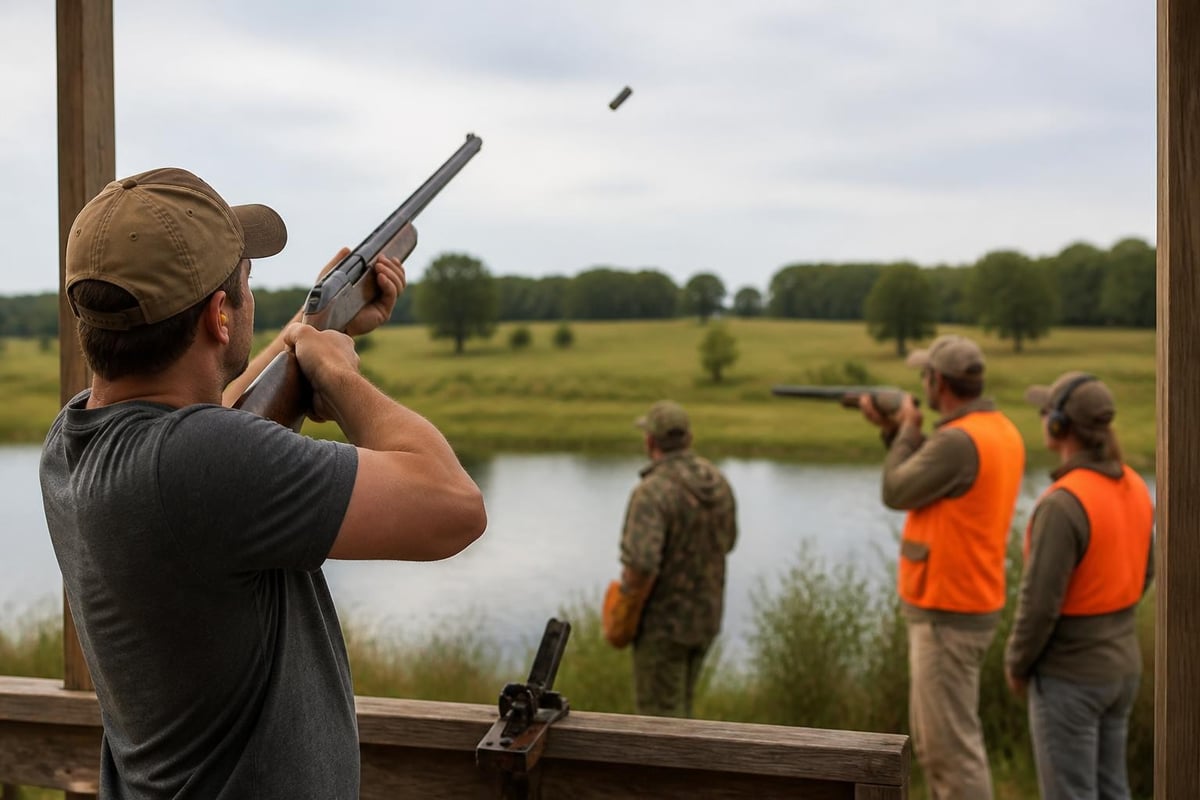
Consistent practice separates competent wingshooters from exceptional ones. Clay target sports provide year-round training opportunities that translate directly to field performance. Trap shooting develops skills for rising, outgoing birds. Skeet addresses crossing shots at various angles. Sporting clays presents the most diverse practice scenarios, simulating real hunting situations with variable target presentations.
MeatEater’s comprehensive wingshooting guide covers essential aspects including equipment selection, shooting techniques, and common challenges faced by hunters in the field. The resource emphasizes building muscle memory through repetition until proper mechanics become automatic.
Common Errors and Corrections
Most wingshooting failures stem from predictable technical errors. Stopping the gun represents the primary mistake-shooters decelerate or halt their swing before firing, causing shots to fall behind the bird. The solution involves committing to follow-through, maintaining swing momentum after the trigger breaks.
Head lifting creates another frequent problem. Raising the head off the stock breaks cheek weld and disrupts sight alignment. Concentrating on keeping your cheek planted and eyes focused on the bird's head rather than the barrel helps maintain proper form.
The Texas Concealed Handgun Association provides detailed guidance on shotgun fundamentals including stance, mount, vision, and techniques applicable to both clay shooting and wingshooting in the field. Their systematic approach addresses common technical deficiencies that limit performance.
Field Applications and Hunting Scenarios
Translating range practice into field success requires adapting techniques to real hunting conditions. Wind affects both bird flight patterns and shot string trajectory. Birds flying into wind move slower relative to ground speed, requiring less lead. Crosswinds drift shot pellets, demanding adjustments to aiming point.
Terrain and vegetation influence shot opportunities. Open country allows longer observation time and earlier target acquisition. Heavy cover demands quick reflexes and snap-shooting skills as birds flush at close range with minimal warning.
Different game birds present unique challenges:
Upland Birds
- Pheasants: Strong, fast fliers with tendency to rise then level off
- Quail: Explosive flush in coveys, rapid directional changes
- Grouse: Thick cover specialists using terrain to their advantage
- Woodcock: Erratic flight pattern, slower speed deceives shooters
Waterfowl
- Mallards: Deceptively fast, require more lead than appearance suggests
- Teal: Exceptionally quick with unpredictable flight paths
- Geese: Large size creates illusion of slower speed than reality
- Divers: Low-profile flight, often working into decoys at speed
Safety and Ethics in Wingshooting
Responsible wingshooting extends beyond hitting targets. Safe muzzle control remains paramount, particularly when hunting with partners or dogs. Establishing clear zones of fire prevents accidents when multiple shooters work the same field.
The National Shooting Sports Foundation’s safety reminders for upland hunting ensure hunters maintain awareness of critical protocols during wingshooting activities. Following these guidelines creates safer, more enjoyable experiences for everyone involved.
Ethical considerations include taking only shots within effective range. Most experienced wingshooters limit themselves to 40 yards or less, recognizing that pattern density and pellet energy decline rapidly beyond this distance. Clean kills demonstrate respect for game and the hunting tradition.
| Range | Pattern Effectiveness | Ethical Consideration |
|---|---|---|
| Under 20 yards | Risk of excessive damage | Wait for optimal distance |
| 20-35 yards | Peak performance zone | Ideal engagement range |
| 35-45 yards | Declining pattern density | Skilled shooters only |
| Over 45 yards | Inadequate pellet energy | Avoid these shots |
Advanced Techniques for Experienced Shooters
Wingshooters who master fundamentals can explore advanced concepts that further improve performance. Pre-mounting while walking allows faster target engagement when birds flush unexpectedly. This technique keeps the gun in shooting position during high-probability moments.
Reading bird behavior provides predictive advantages. Pheasants often run before flushing, allowing alert hunters to anticipate flush location. Waterfowl working decoys follow observable patterns in their approach, creating higher-percentage shooting opportunities.
Multiple bird engagement requires disciplined target selection. The common mistake involves "flock shooting"-firing into a group without selecting an individual bird. Experienced wingshooters pick specific targets, complete that shot, then transition smoothly to the next opportunity.
Outrider provides information on wingshooting opportunities across various regions, detailing different bird species and hunting experiences available to serious enthusiasts seeking to expand their skills.
High-Volume Shooting Considerations
Some hunting scenarios present numerous shot opportunities in compressed timeframes. Outdoors International discusses high-volume wingshooting, including historical context, techniques, and safety considerations for these intense hunting situations.
High-volume shooting demands:
- Physical conditioning: Stamina for extended shooting sessions
- Equipment reliability: Dependable firearms that function under continuous use
- Ammunition management: Sufficient supply and quick reloading capability
- Mental focus: Maintaining form and safety awareness despite fatigue
- Recovery management: Understanding when to pause and reset
Seasonal Adjustments and Preparation
Wingshooting performance varies across hunting seasons as bird behavior changes. Early season birds often flush wild, lacking hunting pressure experience. Late season survivors become educated, flushing earlier and flying more evasively.
Weather conditions dramatically affect both hunter and quarry. Cold temperatures improve scent conditions for pointing dogs but may slow human reaction times. Rain alters bird locations as they seek shelter and changes shotgun handling with wet grips and stocks.
Pre-season preparation should include:
- Physical conditioning: Building endurance for walking and carrying equipment
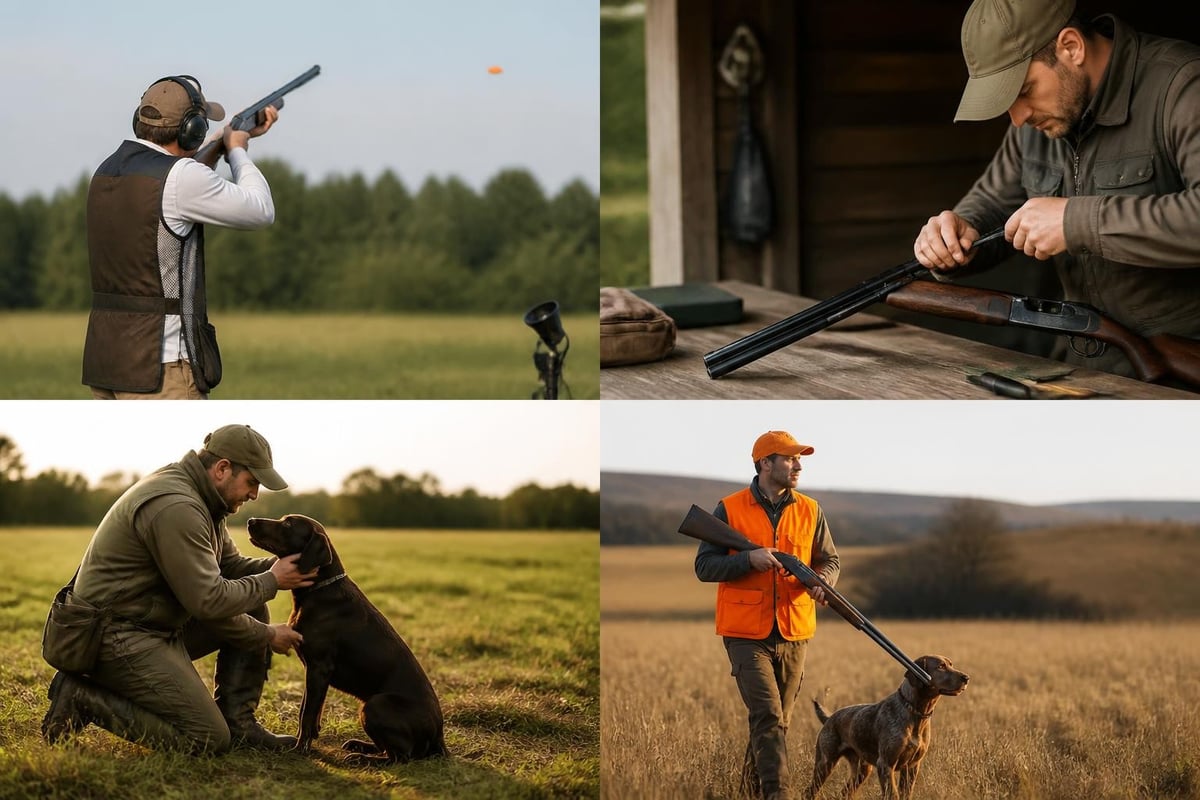
- Equipment maintenance: Cleaning, inspection, and function testing
- Pattern verification: Confirming point-of-impact with current loads and chokes
- Clay practice: Refreshing mechanics and timing before opener
- Dog training: Ensuring canine partners maintain peak readiness
Hunters seeking comprehensive instruction can reference resources like The Orvis Guide to Beginning Wingshooting by Tom Deck, which provides systematic instruction on safety, equipment, and techniques for newcomers to the sport.
Mental Game and Performance Psychology
The psychological aspects of wingshooting often receive insufficient attention despite their impact on results. Confidence stems from preparation and practice, creating trust in your mechanics when opportunities arise. Doubt causes hesitation, overthinking, and technical breakdown.
Visualization techniques help wingshooters prepare mentally. Imagining successful shot sequences, feeling the gun mount, seeing the bird fold-these mental rehearsals create neural pathways that support physical execution. Many top shooters spend time visualizing before hunting sessions or competitions.
Managing pressure separates good days from great ones. When birds flush unexpectedly or hunting partners watch, many shooters tense up and rush their mechanics. Breathing exercises and focus cues help maintain composure during critical moments.
Building Consistency Through Routine
Establishing pre-shot routines creates consistency. Whether checking safety position, verifying choke selection, or taking a deliberate breath before calling "ready," these rituals prepare mind and body for optimal performance.
Post-shot analysis accelerates improvement. After missing, experienced wingshooters briefly assess what went wrong-stopped swing, head lift, poor foot position-then consciously correct on the next opportunity. This immediate feedback loop builds better habits faster than ignoring mistakes.
The Orvis Wingshooting Handbook by Bruce Bowlen offers proven techniques for improving shotgun performance, covering everything from basic mechanics to advanced equipment selection and field strategies.
Conservation and Habitat Awareness
Successful wingshooting depends on healthy bird populations and quality habitat. Understanding conservation challenges facing game birds creates more informed, responsible hunters. Wetland drainage, agricultural intensification, and urban expansion all reduce available nesting and feeding areas.
Supporting conservation organizations like Pheasants Forever, Quail Forever, and Ducks Unlimited directly contributes to habitat restoration and protection. These groups work with landowners to establish cover, improve nesting areas, and create sustainable populations for future generations.
Hunters themselves serve as critical conservation advocates. License fees and excise taxes on firearms and ammunition fund state wildlife agencies. Choosing to hunt supports this funding model that benefits all wildlife, not just game species.
Mastering wingshooting requires dedication to fundamentals, consistent practice, and willingness to learn from both successes and failures in the field. Whether you're pursuing upland birds across prairie grasslands or setting up for waterfowl over decoys, the principles of proper gun fit, smooth swing mechanics, and disciplined target selection remain constant. When you're ready to upgrade your equipment or prepare for your next wingshooting adventure, RCS Outdoors offers a comprehensive selection of shotguns, ammunition, and accessories backed by expertise to help you succeed in the field.


