Guided Turkey Hunt: Expert Tips for Success in 2026
Turkey hunting represents one of the most challenging and rewarding pursuits in American outdoor tradition. For hunters looking to maximize their success and learn from experienced professionals, a guided turkey hunt offers an unparalleled opportunity to develop skills, understand turkey behavior, and create lasting memories. Whether you're a beginner seeking foundational knowledge or an experienced hunter exploring new territory, working with a professional guide can dramatically improve your outcomes while ensuring a safe, ethical hunting experience.
Understanding the Value of Professional Guidance
A guided turkey hunt provides more than just access to prime hunting land. Professional guides bring years of accumulated knowledge about turkey patterns, calling techniques, and terrain-specific strategies that would take countless seasons to develop independently. These experts have scouted properties extensively, identified roosting sites, and mapped feeding areas long before opening day arrives.
Knowledge Transfer and Skill Development
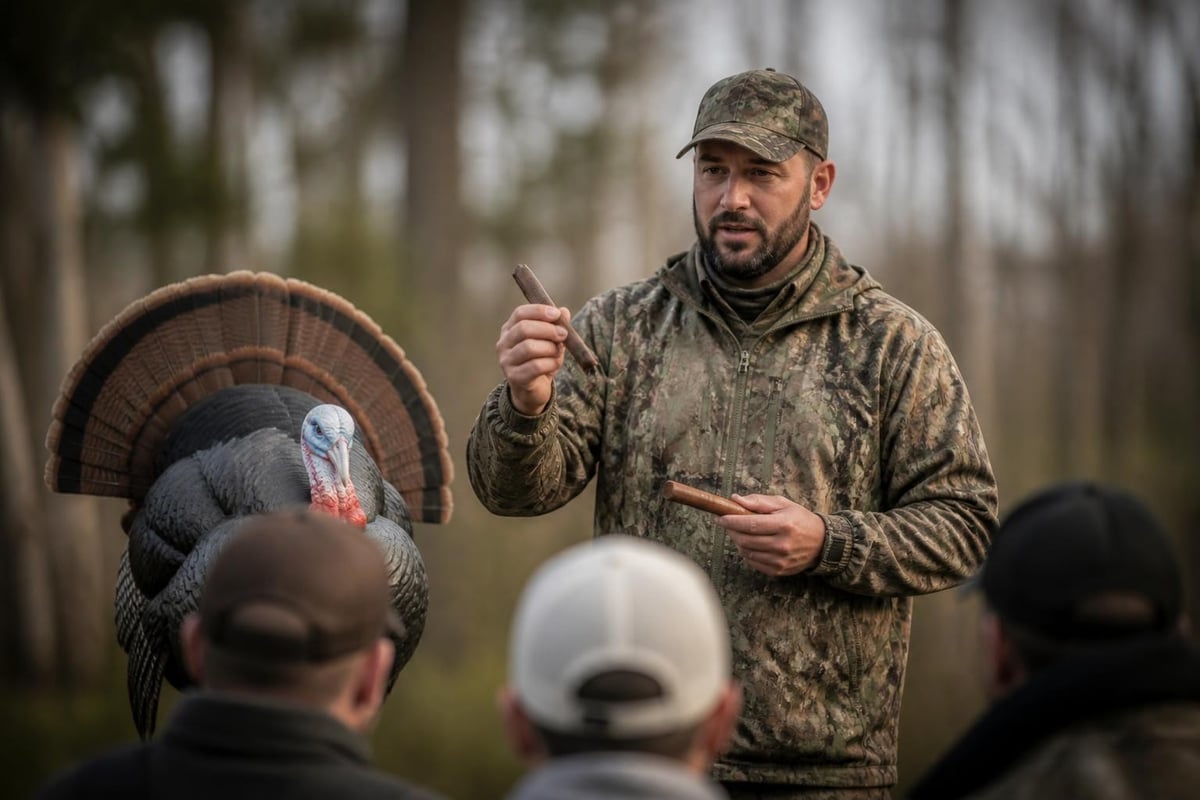
Working alongside an experienced guide accelerates your learning curve in ways that solo hunts cannot match. Guides share real-time insights about turkey vocalizations, helping you distinguish between different calls and understand what each sound communicates. They demonstrate proper calling techniques, from soft yelps to aggressive cutting, and explain when each approach proves most effective.
Key learning opportunities include:
- Reading turkey body language and behavioral cues
- Identifying optimal setup locations based on terrain and wind direction
- Understanding how weather conditions influence turkey movement
- Mastering the art of patience and timing during encounters
- Learning ethical shot placement and range estimation
Beyond technical skills, guides teach the subtle nuances that separate successful hunts from frustrating near-misses. They explain why turkeys respond differently to calls throughout the day, how hunting pressure affects bird behavior, and which strategies work best for specific subspecies.
Preparing for Your Guided Experience
Preparation significantly impacts your guided turkey hunt success. While your guide handles property scouting and logistical planning, hunters must arrive ready to capitalize on opportunities. Physical conditioning matters more than many realize, as turkey hunting often involves pre-dawn hikes to roosting areas and maintaining uncomfortable positions for extended periods.
Essential Gear and Equipment
Your guide will specify required equipment, but standard preparations include proper camouflage matching the terrain you'll hunt. Turkey vision is exceptionally sharp, making complete concealment critical. Invest in quality camouflage that breaks up your outline effectively, and don't overlook your hands and face.
| Item Category | Recommended Gear | Purpose |
|---|---|---|
| Footwear | Waterproof boots with good ankle support | Navigate varied terrain quietly |
| Calls | Slate, box, and diaphragm calls | Practice multiple calling methods |
| Decoys | Hen and jake combination | Create visual attraction |
| Safety Gear | Orange vest for travel, ThermaCELL | Visibility and insect protection |
| Optics | Quality binoculars (8x or 10x) | Spot distant birds and assess jakes vs. toms |
Shotgun preparation requires special attention. Most guides recommend 12-gauge or 20-gauge shotguns with specialized turkey chokes that deliver dense patterns at 20-40 yards. Pattern your gun before the hunt to understand exactly where it shoots and verify your effective range. RCS Outdoors offers extensive selection of shotguns and ammunition designed specifically for turkey hunting, ensuring you arrive properly equipped.
Pre-Hunt Research and Communication
Successful guided turkey hunts begin with thorough communication. Discuss your experience level honestly with your outfitter, share physical limitations, and clarify expectations. Understanding Illinois turkey hunting regulations or those specific to your hunting location ensures compliance and prevents legal complications.
Research the turkey subspecies you'll pursue. Eastern, Rio Grande, Merriam's, and Osceola turkeys exhibit behavioral differences that influence hunting strategies. Your guide adapts tactics accordingly, but understanding these distinctions enhances your appreciation of the hunt and helps you make informed decisions during critical moments.
What to Expect During the Hunt
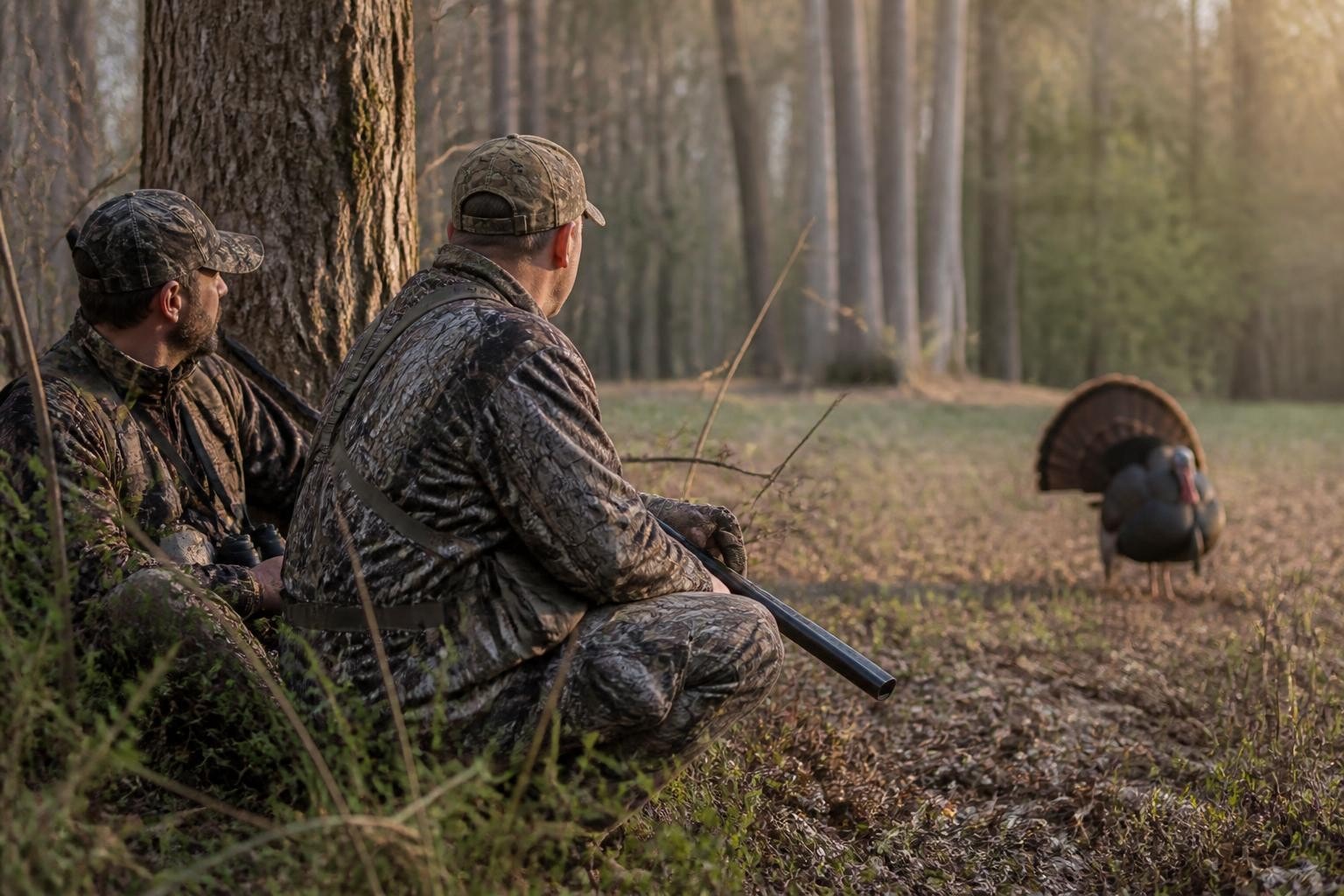
A typical guided turkey hunt begins well before sunrise. Guides often position hunters near roosting sites during darkness, allowing birds to fly down naturally without detecting human presence. This requires absolute silence and discipline, qualities that separate successful hunts from educational experiences.
The Morning Setup Process
Your guide will select setup locations based on recent scouting observations and current conditions. Setup typically occurs 100-200 yards from known roost trees, positioning hunters between roosting and feeding areas. Decoy placement varies by strategy, sometimes using a single hen decoy to appear non-threatening or employing a jake decoy to trigger territorial responses from dominant toms.
Morning hunt sequence:
- Arrive at hunting area 45-60 minutes before first light
- Move quietly to pre-selected setup location using minimal light
- Arrange decoys and ensure shooting lanes are clear
- Settle into position and remain motionless
- Listen for fly-down cackles and initial vocalizations
- Begin soft calling sequences as daylight increases
Patience proves essential during these critical hours. Turkeys often remain roosted longer than anticipated, particularly on cold mornings or during adverse weather. Your guide monitors bird activity through listening and may adjust strategies if turkeys vocalize from unexpected locations.
Calling Strategies and Turkey Responses
Professional guides employ sophisticated calling sequences that evolve throughout the morning. Initial calls might include soft tree yelps to let roosted birds know hens are present below. As turkeys fly down, guides often increase calling aggression, using cuts and excited yelps to generate interest.
Understanding when to call and when to remain silent separates competent guides from exceptional ones. Overcalling represents one of the most common mistakes in turkey hunting. Experienced guides read turkey responses carefully, backing off when birds show interest and intensifying efforts when birds seem disinterested or are moving away.
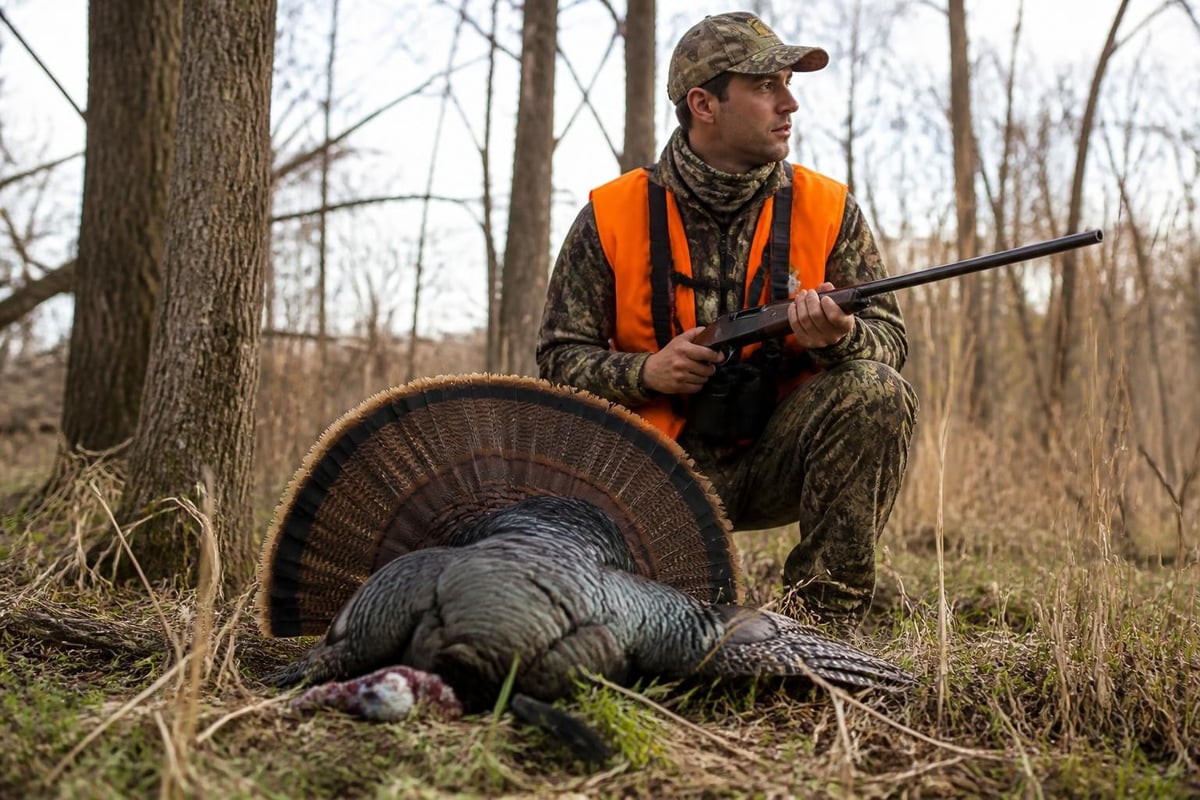
The essential safety tips for turkey hunting cannot be overstated, particularly regarding shot selection and target identification. Guides ensure hunters positively identify toms, verify safe shooting lanes, and maintain awareness of their surroundings throughout the hunt.
Choosing the Right Guided Hunt Package
Guided turkey hunt options range from fully outfitted experiences to semi-guided adventures that balance independence with professional support. Understanding differences helps you select packages matching your skill level, budget, and desired experience.
Fully Guided vs. Semi-Guided Options
Fully guided hunts provide comprehensive service including lodging, meals, transportation to hunting locations, and constant guide presence throughout the hunt. These packages suit beginners, hunters unfamiliar with the region, or those seeking maximum convenience. Guides handle all logistical details, allowing hunters to focus entirely on the pursuit.
Semi-guided turkey hunts offer a middle ground, providing property access, initial scouting information, and guide check-ins while allowing experienced hunters more autonomy. These packages typically cost less and appeal to hunters who enjoy the challenge of developing their own strategies while benefiting from local knowledge.
For those seeking premium experiences, RCS Outdoors partners with Heartland Lodge to offer exceptional opportunities. The Upland Escape Giveaway showcases the caliber of hunting experiences available, combining world-class accommodations with prime hunting territory in Pike County, Illinois.
Regional Considerations and Timing
Geographic location dramatically influences guided turkey hunt characteristics. Southeastern states offer earlier seasons targeting Eastern subspecies, while Midwestern and Western hunts occur later in spring. Each region presents unique challenges and advantages.
| Region | Primary Subspecies | Peak Season | Terrain Characteristics |
|---|---|---|---|
| Southeast | Eastern | March-April | Hardwood forests, river bottoms |
| Midwest | Eastern/Rio hybrid | April-May | Agricultural fields, woodlots |
| Great Plains | Rio Grande | April-May | Rolling prairies, creek drainages |
| Mountain West | Merriam's | April-May | Ponderosa pine, mountain meadows |
When booking a guided turkey hunt, research outfitters thoroughly through reviews, references, and hunting forums. Reputable guides maintain transparent communication about success rates, property conditions, and realistic expectations. Request detailed information about hunting methods, daily schedules, and cancellation policies before committing.
Advanced Techniques and Strategy Adjustments
Even with professional guidance, turkey hunting requires adaptability. Birds don't always follow predicted patterns, forcing guides and hunters to adjust strategies mid-hunt. Understanding these adjustments enhances your learning and increases success probability.
Reading the Landscape and Turkey Sign
Professional guides read landscapes like books, identifying subtle terrain features that concentrate turkey activity. Small ridges, field edges near timber, and gentle creek drainages often serve as natural travel corridors. Fresh scratching in leaf litter indicates recent feeding activity, while droppings reveal how recently turkeys used an area.
Learning to recognize productive turkey habitat helps you understand why guides select specific setup locations. Mast-producing trees like oaks attract turkeys during fall, while spring hunts focus on breeding areas where toms establish display zones. Agricultural fields providing early green growth become magnets during spring seasons.
Adapting to Hunting Pressure and Bird Behavior
Turkey behavior changes dramatically under hunting pressure. Birds become call-shy, abandon traditional patterns, and shift to nocturnal feeding. Experienced guides recognize these behavioral shifts and modify tactics accordingly, perhaps moving to less-pressured areas or employing run-and-gun tactics rather than static setups.
Pressure-adjusted strategies include:
- Setting up in unexpected locations away from obvious spots
- Using minimal calling to avoid alerting educated birds
- Hunting midday hours when other hunters have left
- Focusing on private land boundaries where birds retreat
- Employing gobbler decoys to trigger territorial responses
Understanding modern turkey hunting tips for both spring and fall seasons broadens your tactical knowledge. Fall hunting emphasizes different calling approaches, focusing on lost calls and kee-kees that mimic scattered flocks rather than breeding vocalizations.
Maximizing Learning from Guided Experiences
The true value of a guided turkey hunt extends beyond immediate success. Each hunt provides educational opportunities that improve your independent hunting capabilities. Actively engaging with this learning process transforms a single guided experience into years of improved performance.
Post-Hunt Analysis and Debriefing
Quality guides conduct informal debriefs after each hunt, discussing what worked, what didn't, and why turkeys responded as they did. These conversations prove invaluable for skill development. Ask questions about decision points during the hunt, alternative strategies considered, and how guides read subtle turkey behaviors you might have missed.
Take notes during and after hunts, recording calling sequences, turkey responses, setup locations, and time-of-day observations. These records create a personal reference library that informs future hunts. Photography of terrain features, decoy setups, and successful locations provides visual documentation supporting your notes.
Building Skills for Independent Hunting
Apply lessons from guided turkey hunts to your independent pursuits. Practice calling techniques demonstrated by guides, experiment with decoy configurations they recommended, and implement scouting strategies they employed. Many hunters discover that a single quality guided experience provides more useful knowledge than several seasons of trial-and-error learning.
Physical and mental preparation matters equally. Turkey hunting demands patience that many hunters find challenging initially. Guides model the discipline required to remain motionless for hours, resist the urge to call excessively, and maintain focus during long periods without turkey activity. Developing these mental skills distinguishes consistent hunters from occasional success stories.
Long-Term Benefits and Community Connection
Guided turkey hunts often create lasting connections within the hunting community. Many hunters return to the same outfitters annually, building relationships with guides and fellow hunters. These connections provide ongoing learning opportunities, hunting partnerships, and friendships centered on shared outdoor passion.
Ethical Hunting and Conservation Awareness
Professional guides emphasize ethical hunting practices and conservation principles. They explain how license fees and excise taxes fund wildlife management, demonstrate proper field dressing techniques that minimize waste, and model respectful treatment of harvested game. This education creates more conscientious hunters who contribute positively to hunting's public image.
Understanding turkey biology and population dynamics enhances appreciation for conservation efforts. Guides often share information about habitat management practices on their properties, explaining how prescribed burning, selective timber harvest, and food plot management benefit turkey populations. This knowledge can inspire hunters to support conservation organizations and participate in habitat improvement projects.
Conservation contributions from turkey hunters include:
- License and tag purchases funding state wildlife agencies
- Federal excise tax on equipment supporting the Pittman-Robertson Act
- National Wild Turkey Federation habitat restoration projects
- Volunteer participation in population surveys and monitoring
- Advocacy for hunting access and habitat preservation
The guided turkey hunt experience ultimately serves purposes beyond filling tags. It preserves hunting traditions, transfers knowledge between generations, and strengthens connections to wild places. Whether you harvest a tom on your first morning or spend days learning turkey behavior without success, the experience provides value that extends throughout your hunting career.
A guided turkey hunt represents an investment in your skills, knowledge, and outdoor heritage that pays dividends for years to come. The techniques learned, relationships built, and memories created during professionally guided experiences enhance every future hunt you undertake. Whether you're just starting your turkey hunting journey or seeking to refine advanced skills, working with experienced guides accelerates your development while ensuring safe, ethical, and rewarding experiences. RCS Outdoors supports your hunting success with quality firearms, ammunition, and equipment needed for memorable turkey hunts, along with access to premium guided experiences through partnerships with destinations like Heartland Lodge.


