
Nutritional Needs for Outdoor Enthusiasts and Hunters
For hunters, shooting sports enthusiasts, and outdoor adventurers, understanding proper nutritional needs goes far beyond simply eating enough food. The physical demands of tracking game through rugged terrain, maintaining focus during precision shooting, and enduring long days in the field require strategic fuel management. Your body's performance in these activities depends directly on meeting specific nutritional needs that support sustained energy, mental clarity, and physical endurance. Whether you're planning a multi-day hunting expedition or spending hours at the range, optimizing your nutrition creates a foundation for success and safety in the field.
Understanding Core Nutritional Needs for Active Lifestyles
The human body requires a precise balance of nutrients to function optimally, and these nutritional needs intensify significantly during physical activity. According to the National Institutes of Health’s Dietary Reference Intakes, adults must consider multiple nutrient categories including macronutrients, micronutrients, and hydration factors.
Macronutrients form the foundation of all nutritional needs and include carbohydrates, proteins, and fats. Each serves distinct purposes in supporting outdoor activities and shooting sports.
- Carbohydrates provide immediate energy for quick movements and sustained activity
- Proteins repair muscle tissue and support recovery after physical exertion
- Fats deliver concentrated energy for extended periods in the field
- Fiber aids digestion and helps maintain stable energy levels
The proportions of these macronutrients should adjust based on activity intensity and duration. A hunter spending eight hours in a tree stand faces different nutritional needs than someone hiking mountainous terrain pursuing elk.
Energy Requirements for Field Activities
Calculating your specific energy requirements starts with understanding baseline metabolic needs, then factoring in activity levels. Nutritional requirements vary dramatically based on body weight, age, gender, and exertion intensity.
| Activity Level | Additional Calories Needed | Duration Factor |
|---|---|---|
| Light (tree stand hunting) | 200-400 above baseline | Per 4-hour session |
| Moderate (upland bird hunting) | 400-600 above baseline | Per 4-hour session |
| Vigorous (mountain hunting) | 600-1000 above baseline | Per 4-hour session |
Your baseline metabolic rate represents the calories your body burns at rest, typically ranging from 1,400 to 2,000 calories daily for adults. Field activities multiply these requirements substantially.
Protein Requirements for Strength and Recovery
Protein stands as perhaps the most critical macronutrient for addressing the nutritional needs of active outdoor enthusiasts. The Academy of Nutrition and Dietetics emphasizes that protein intake must increase proportionally with physical demands.
Optimal Protein Intake Strategies
Standard recommendations suggest 0.8 grams of protein per kilogram of body weight for sedentary adults. However, hunters and outdoor enthusiasts engaging in regular physical activity should target 1.2 to 2.0 grams per kilogram.
For a 180-pound (82 kg) hunter, this translates to:
- Minimum daily protein: 98 grams
- Optimal range for active periods: 98-164 grams
- Distribution: 25-40 grams per meal across 4-5 daily feedings
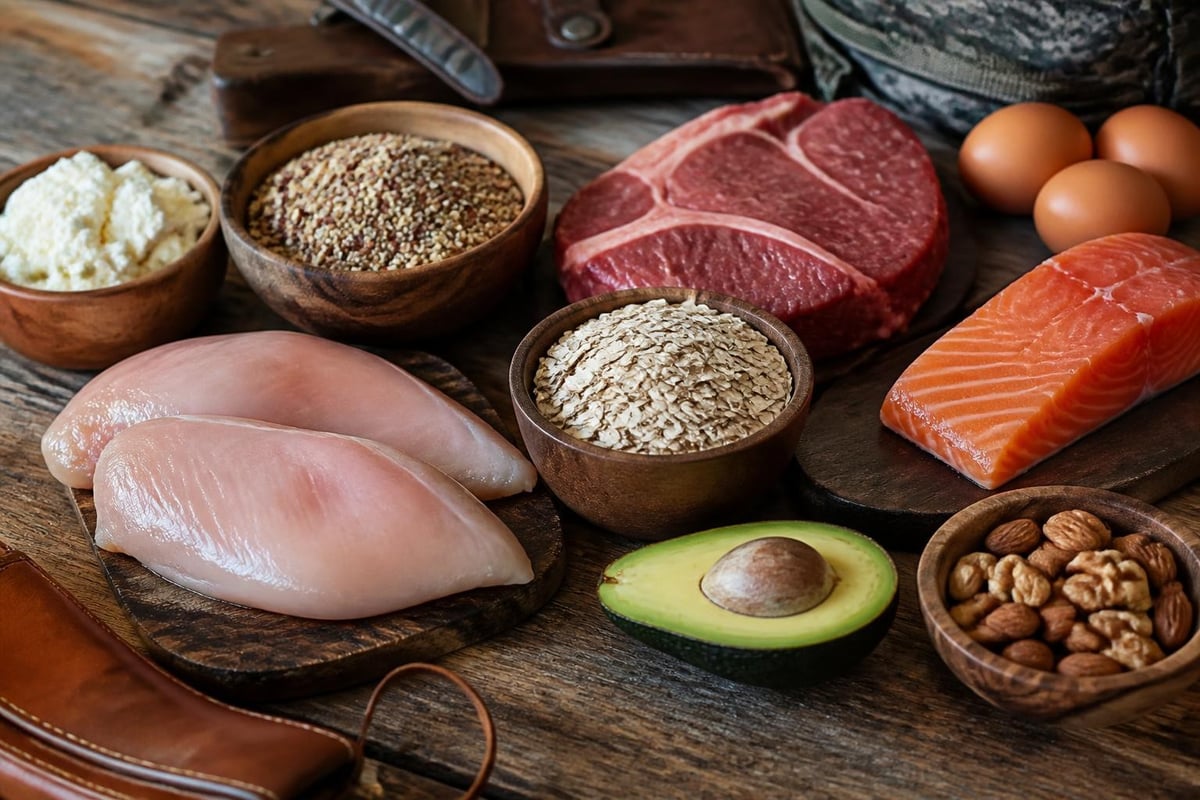
Quality protein sources provide essential amino acids necessary for muscle repair and immune function. Lean meats, eggs, dairy products, legumes, and nuts offer complete amino acid profiles that support recovery after demanding days afield.
Timing matters significantly for protein consumption. Consuming protein within 30-60 minutes after physical exertion maximizes muscle recovery and adaptation. Packing portable protein sources like jerky, hard-boiled eggs, or protein bars ensures you can meet these nutritional needs even in remote locations.
Carbohydrate Management for Sustained Energy
Carbohydrates fuel high-intensity bursts and maintain blood sugar levels during extended outdoor activities. Meeting carbohydrate nutritional needs requires understanding both quantity and quality of carbohydrate sources.
Complex vs. Simple Carbohydrates
Complex carbohydrates release energy gradually, preventing the crashes associated with simple sugars. Whole grains, oats, sweet potatoes, and legumes provide sustained fuel for long hunting days.
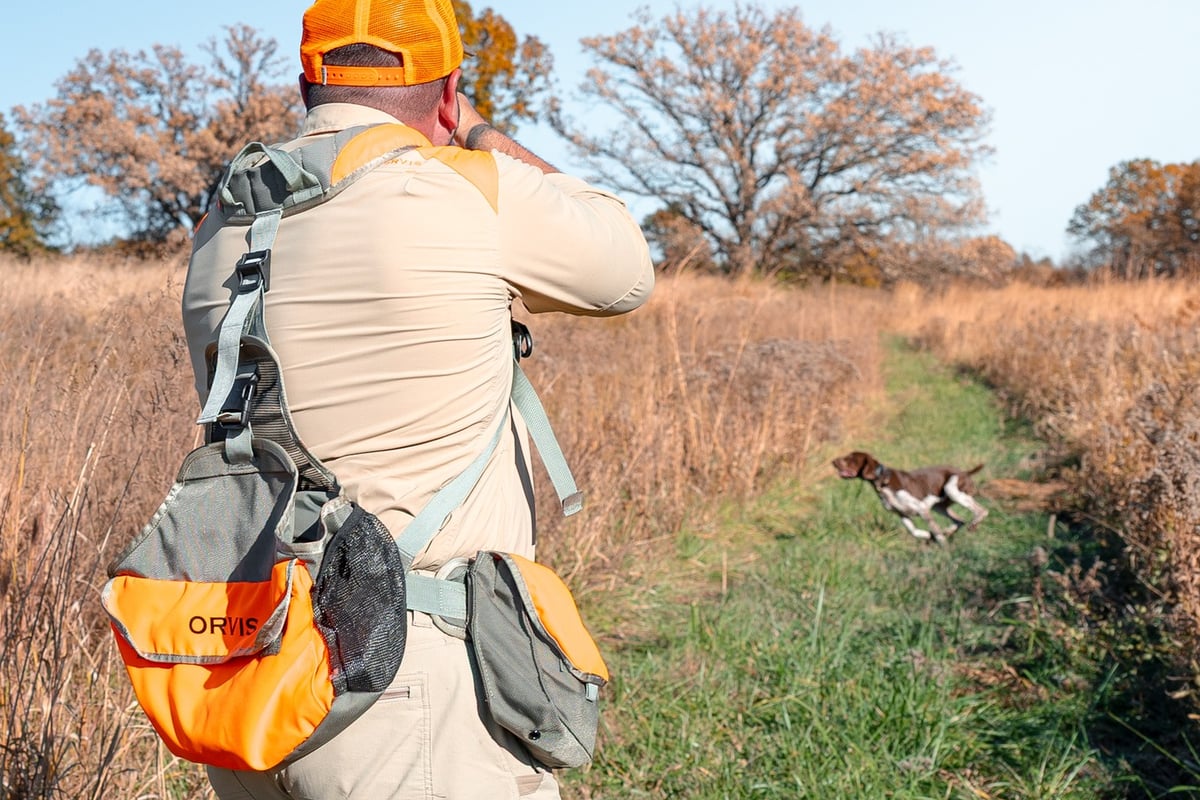
Strategic carbohydrate loading before anticipated high-output activities optimizes glycogen stores. For a planned upland hunt that might mirror the physical demands experienced during traditional wingshooting experiences like The Upland Escape Giveaway package at Heartland Lodge, consuming 60-70% of calories from carbohydrates the evening before ensures maximum energy availability.
Simple carbohydrates serve specific purposes during activities:
- Quick energy during intense physical moments
- Blood sugar stabilization during extended fasting periods
- Immediate post-activity recovery fuel
Balance these carbohydrate types throughout the day to maintain steady performance without energy fluctuations that compromise focus and safety.
Fat Intake for Endurance Activities
Dietary fats represent the most calorie-dense macronutrient, providing nine calories per gram compared to four calories per gram for proteins and carbohydrates. This energy density makes fats essential for meeting nutritional needs during extended backcountry expeditions.
Essential Fatty Acids and Performance
Omega-3 and omega-6 fatty acids support cardiovascular health, reduce inflammation, and enhance cognitive function. These benefits directly translate to improved performance during precision shooting and decision-making in the field.
| Fat Type | Sources | Daily Target |
|---|---|---|
| Monounsaturated | Olive oil, avocados, nuts | 40-50% of fat intake |
| Polyunsaturated | Fish, flaxseed, walnuts | 25-35% of fat intake |
| Saturated | Meat, dairy, coconut oil | 15-25% of fat intake |
Total fat intake should comprise 20-35% of daily calories for most outdoor enthusiasts. During cold-weather hunting or extreme endurance activities, increasing this proportion to 35-40% provides necessary thermogenic support and sustained energy.
Micronutrient Considerations for Optimal Health
While macronutrients provide energy, micronutrients enable the biochemical processes that convert food into usable fuel. These vitamins and minerals represent critical nutritional needs often overlooked by outdoor enthusiasts focused solely on calories and protein.
Vitamins Essential for Field Performance
B-complex vitamins facilitate energy metabolism, converting carbohydrates, fats, and proteins into ATP (adenosine triphosphate). Vitamin D supports bone health and immune function, particularly important for individuals spending significant time outdoors yet potentially deficient due to seasonal variations.
- Vitamin B1 (Thiamin): Carbohydrate metabolism and nerve function
- Vitamin B12: Red blood cell formation and neurological health
- Vitamin D: Calcium absorption and immune support
- Vitamin E: Antioxidant protection during physical stress
- Vitamin C: Collagen synthesis and immune function
Antioxidant vitamins (C, E, and A) combat oxidative stress generated during intense physical activity, supporting faster recovery and reduced muscle soreness.
Critical Minerals for Performance
Iron transports oxygen throughout the body, making it essential for endurance and stamina. Hunters operating at high altitudes or in extreme conditions face increased iron demands. Calcium and magnesium support muscle contraction and bone health, while sodium and potassium regulate fluid balance and nerve signaling.
Electrolyte balance becomes paramount during hot-weather hunting or intense physical exertion that produces significant sweat loss. Replacing these minerals through strategic nutrition prevents cramping, fatigue, and potentially dangerous dehydration.
Hydration as a Fundamental Nutritional Need
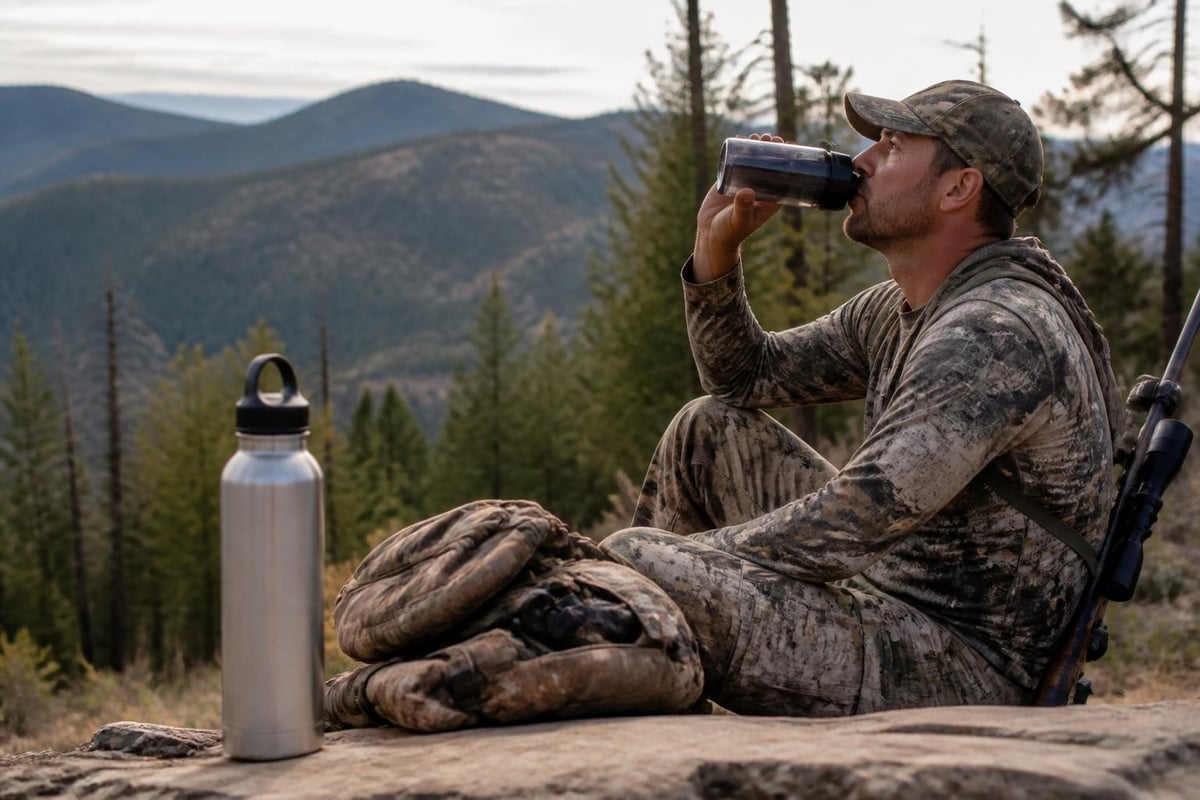
Water constitutes 60% of body weight and participates in virtually every physiological process. Dehydration of just 2% of body weight impairs cognitive and physical performance-a critical consideration when handling firearms or navigating challenging terrain.
Calculating Hydration Requirements
Research on nutritional requirements throughout the life cycle demonstrates that baseline hydration needs start at approximately 30-35 milliliters per kilogram of body weight daily. Physical activity substantially increases these requirements.
Pre-hydration strategies involve consuming 400-600 milliliters of fluid two to three hours before outdoor activities, followed by another 200-300 milliliters 15-20 minutes before beginning. During activity, target 200-300 milliliters every 15-20 minutes, adjusting for temperature and exertion intensity.
Warning signs of inadequate hydration include:
- Decreased urine output or dark-colored urine
- Increased thirst sensation
- Fatigue and reduced endurance
- Headaches or dizziness
- Reduced mental clarity
Post-activity rehydration should replace 150% of fluid lost through sweat to fully restore hydration status. Weighing yourself before and after activities provides precise data on fluid loss.
Meal Planning for Multi-Day Hunting Trips
Extended hunting expeditions present unique challenges for meeting nutritional needs while managing limited storage space and cooking facilities. Strategic meal planning ensures adequate nutrition without excessive weight or preparation complexity.
Breakfast Strategies for Morning Hunts
Morning meals should emphasize complex carbohydrates and moderate protein while limiting heavy fats that slow digestion. Oatmeal with nuts and dried fruit, whole-grain toast with eggs, or breakfast burritos provide balanced nutrition that sustains energy through morning hunting hours.
Caloric front-loading proves effective for hunters who prefer not eating during prime hunting hours. A substantial breakfast delivering 30-40% of daily calories supports sustained performance without mid-morning hunger pangs that might compromise stillness in a blind or stand.
Portable Field Nutrition
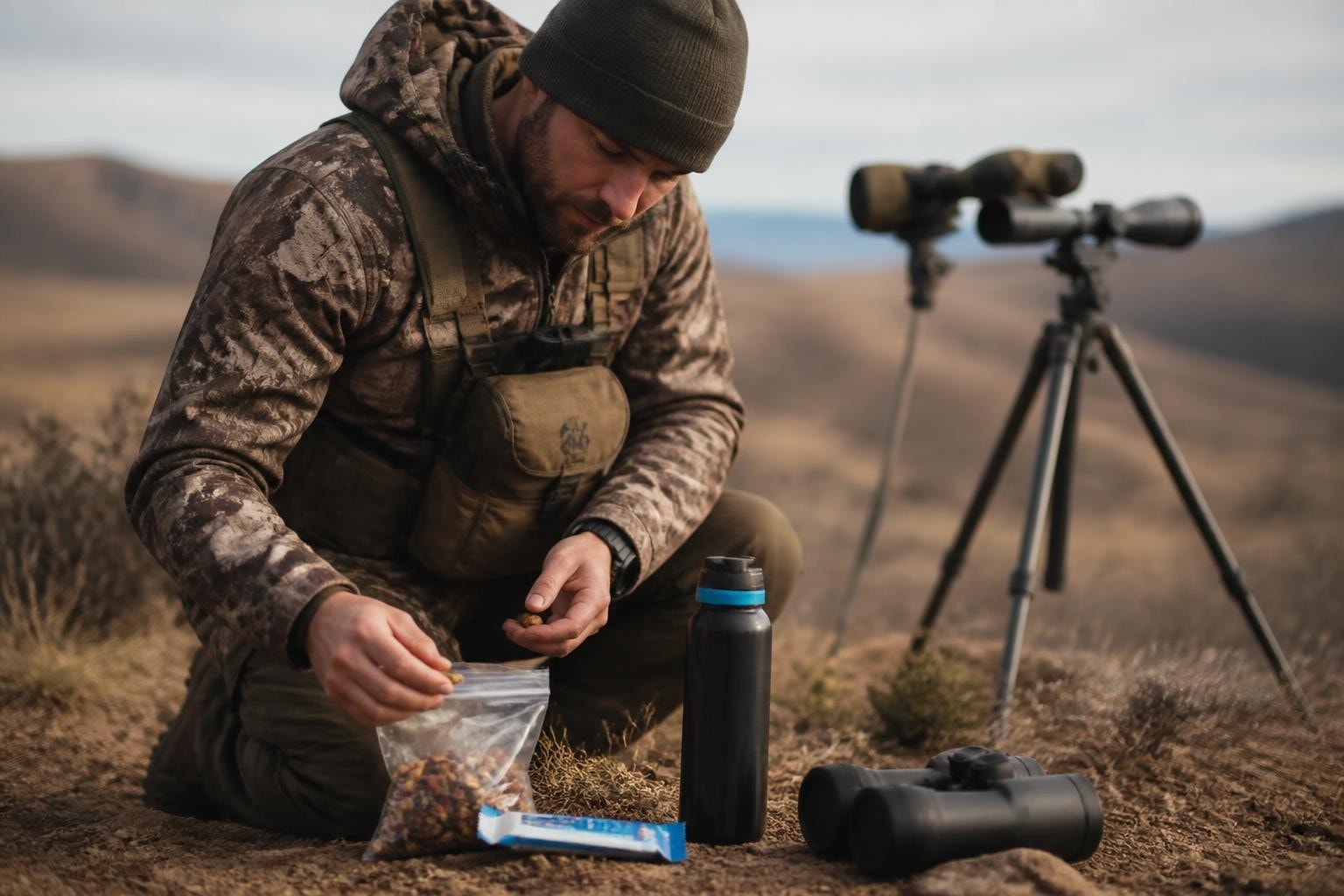
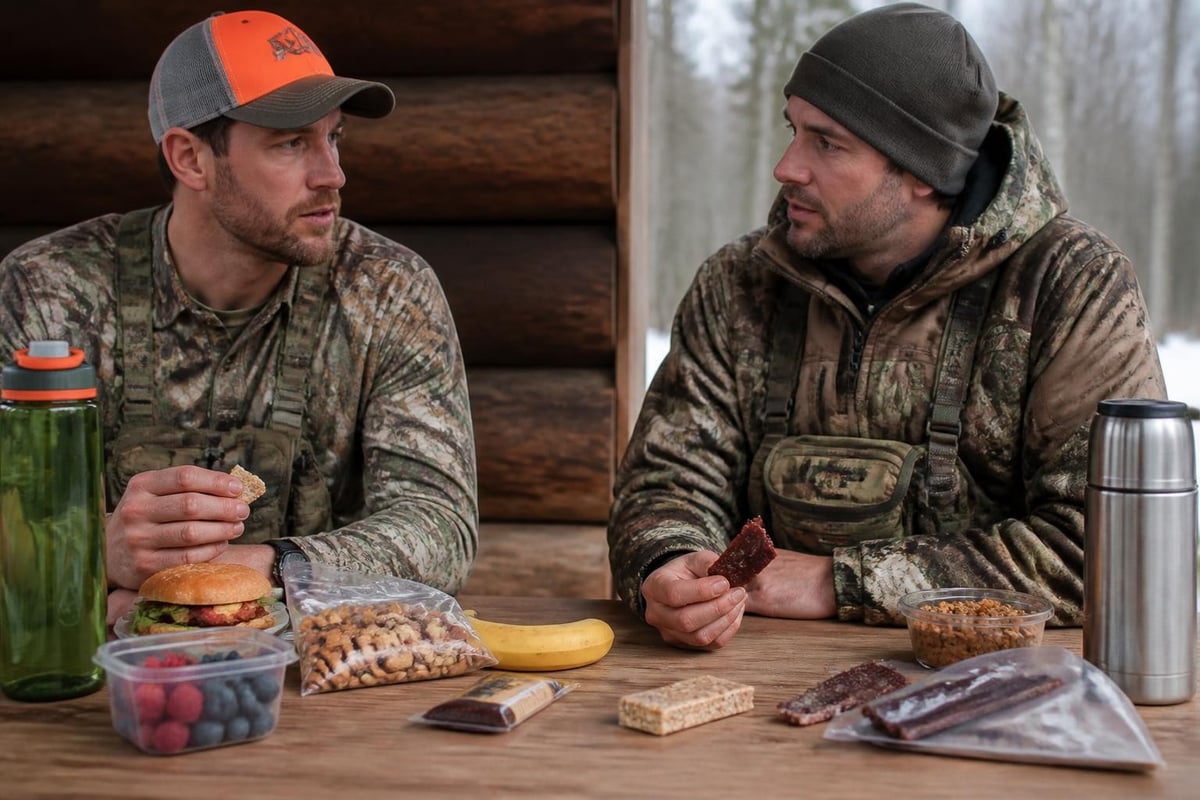
Lightweight, nutrient-dense foods address nutritional needs without adding significant pack weight. Trail mix combining nuts, seeds, and dried fruit delivers balanced macronutrients in compact form. Jerky provides concentrated protein, while energy bars offer convenient carbohydrate sources.
| Food Item | Calories per oz | Protein (g) | Weight Efficiency |
|---|---|---|---|
| Mixed nuts | 170 | 5 | Excellent |
| Beef jerky | 116 | 9 | Excellent |
| Energy bars | 120-140 | 3-5 | Good |
| Dried fruit | 70-80 | 1 | Good |
| Cheese | 110 | 7 | Very good |
Pack foods in daily portions to simplify consumption tracking and ensure you're consistently meeting nutritional needs throughout the trip.
Seasonal Adjustments to Nutritional Needs
Hunting seasons span diverse environmental conditions, from early-season heat to late-season cold. Temperature extremes significantly affect nutritional needs and require dietary modifications to maintain performance and safety.
Cold-Weather Nutrition Strategies
Cold environments increase baseline caloric requirements as the body works to maintain core temperature. Studies on nutrient needs indicate that extreme cold can elevate energy expenditure by 10-40% above temperate conditions.
Thermogenic foods support heat production during cold-weather hunting. Proteins require more energy to digest than carbohydrates or fats, generating additional metabolic heat. Hot beverages, warm soups, and heated meals provide immediate warmth while delivering necessary calories.
Increase fat intake to 35-40% of daily calories during cold-weather hunts, as fats provide concentrated energy and support sustained heat production. Pack high-calorie foods like nut butters, chocolate, and fatty meats to efficiently meet elevated energy demands.
Heat and Humidity Considerations
Hot weather reduces appetite while simultaneously increasing fluid and electrolyte requirements. Light, easily digestible foods prevent the sluggishness associated with heavy meals in heat.
Focus on:
- Fresh fruits with high water content (oranges, apples, grapes)
- Light proteins like fish or poultry
- Salads and vegetables
- Electrolyte-enhanced beverages
Avoid excessive protein and fat during peak heat hours, as these macronutrients generate more metabolic heat during digestion. Save heavier meals for cooler morning or evening periods.
Performance Nutrition for Shooting Sports
Precision shooting demands sustained focus, steady hands, and consistent energy levels. Meeting specific nutritional needs enhances these performance factors while preventing the tremors and mental fatigue that compromise accuracy.
Blood Sugar Stability for Focus
Fluctuating blood glucose levels impair concentration and create physical tremors incompatible with precision shooting. Maintaining stable blood sugar requires balanced meals combining protein, complex carbohydrates, and healthy fats.
Avoid these blood sugar disruptors before shooting activities:
- High-sugar energy drinks or sodas
- Candy and processed sweets
- Excessive caffeine without accompanying food
- Long fasting periods followed by large meals
The glycemic index helps identify carbohydrate sources that maintain stable blood sugar. Low-GI foods like whole grains, legumes, and most vegetables release glucose gradually, supporting sustained mental performance without crashes.
Cognitive Enhancement Through Nutrition
Brain function depends heavily on adequate glucose availability, B-vitamin status, and omega-3 fatty acid intake. Walnuts, fatty fish, blueberries, and dark chocolate contain compounds that support cognitive performance and may enhance focus during extended shooting sessions.
Moderate caffeine intake (100-200 mg) improves alertness and reaction time for many individuals. However, excessive caffeine causes jitters and tremors that undermine shooting accuracy. Know your personal tolerance and timing-caffeine effects peak 30-60 minutes post-consumption.
Recovery Nutrition After Physical Exertion
Post-activity nutrition significantly influences recovery speed and subsequent performance capacity. The period immediately following physical exertion represents a critical window where nutritional needs differ from baseline requirements.
The Anabolic Window
Research identifies a 30-90 minute post-exercise period during which muscles demonstrate heightened nutrient uptake and protein synthesis. Consuming a combination of carbohydrates and protein during this window accelerates recovery and reduces muscle soreness.
Ideal post-activity nutrition ratios include:
- 3:1 to 4:1 carbohydrate-to-protein ratio for endurance activities
- 2:1 to 3:1 ratio for strength-focused activities
- 20-30 grams of high-quality protein
- 60-100 grams of carbohydrates depending on activity intensity
Chocolate milk, protein smoothies with fruit, or turkey sandwiches provide convenient options meeting these nutritional needs when returning from the field.
Inflammation Management
Physical exertion generates inflammatory responses as part of normal adaptation processes. However, excessive inflammation delays recovery and impairs subsequent performance. Anti-inflammatory foods support optimal recovery by modulating these responses.
Include these anti-inflammatory components regularly:
- Omega-3 rich foods (salmon, sardines, walnuts, flaxseed)
- Colorful vegetables and fruits (berries, leafy greens, beets)
- Spices like turmeric and ginger
- Green tea
- Tart cherry juice
Balancing omega-3 to omega-6 fatty acid ratios by reducing processed foods and increasing fish consumption creates an anti-inflammatory dietary pattern supporting long-term health and performance.
Special Considerations for Different Age Groups
Nutritional needs evolve throughout life stages, requiring adjustments to dietary patterns as hunters and outdoor enthusiasts age. Understanding these shifts ensures optimal nutrition regardless of age.
Youth and Young Adult Hunters
Younger individuals still developing physically require higher protein intakes relative to body weight-approximately 1.5-2.0 grams per kilogram. Growing bodies also demand increased calcium, vitamin D, and iron to support bone development and expanding blood volume.
Energy requirements remain elevated during adolescence and early adulthood, particularly when combining outdoor activities with sports or other physical pursuits. Ensuring adequate caloric intake prevents compromised growth and development.
Masters-Age Outdoor Enthusiasts
Adults over 50 face declining muscle mass (sarcopenia) and reduced bone density if nutritional needs aren't properly addressed. Protein requirements actually increase with age to combat muscle loss, with recommendations rising to 1.2-1.5 grams per kilogram for active older adults.
Vitamin B12 absorption decreases with age, potentially requiring supplementation despite adequate dietary intake. Calcium and vitamin D become increasingly critical for maintaining bone health and preventing fractures that could end outdoor pursuits prematurely.
Digestive efficiency often declines, making smaller, more frequent meals more effective than three large daily feedings. This eating pattern also helps maintain stable energy levels during outdoor activities.
Supplementation vs. Whole Food Sources
While meeting nutritional needs through whole foods remains ideal, certain situations may warrant strategic supplementation. Understanding when supplements add value versus when they're unnecessary helps optimize nutrition economically and effectively.
When Supplements Make Sense
Vitamin D deficiency affects many individuals, particularly those in northern latitudes or with limited sun exposure despite outdoor time. The NCBI’s dietary allowance guidelines note that supplementation often proves necessary to achieve optimal blood levels.
Protein supplementation offers convenience for meeting elevated requirements during training periods or multi-day hunts when whole food protein sources prove impractical. Quality protein powders provide complete amino acid profiles in portable, shelf-stable forms.
Electrolyte supplements prevent dangerous imbalances during extreme heat exposure or intense exertion producing heavy sweat losses. These prove more practical than carrying sufficient whole-food electrolyte sources on extended backcountry trips.
Whole Food Superiority
Complete foods provide nutritional complexity that isolated supplements cannot replicate. Phytonutrients, fiber, and synergistic nutrient combinations in whole foods enhance absorption and utilization beyond what synthetic vitamins and minerals achieve.
Building dietary patterns around nutrient-dense whole foods-vegetables, fruits, whole grains, lean proteins, nuts, and seeds-addresses the vast majority of nutritional needs for most outdoor enthusiasts. Supplements should fill specific gaps, not replace foundational nutrition.
Meeting your nutritional needs properly transforms your outdoor performance, enabling longer days afield with sustained energy and focus. Whether you're preparing for intensive upland hunting experiences or simply want to optimize your time at the shooting range, strategic nutrition creates the foundation for success. When you've ensured your body is properly fueled and you're ready to focus on gear and equipment, explore the quality firearms and accessories available at RCS Outdoors, where you'll find everything needed to support your outdoor pursuits alongside expert service and competitive pricing.


